


How to Respond to a Domain Abuse Complaint
An abuse notice should be treated as a specific report about activity, not automatically as proof that the domain owner acted maliciously. Respond quickly, preserve evidence, stop confirmed harmful activity and explain what you found.
Identify the complaint
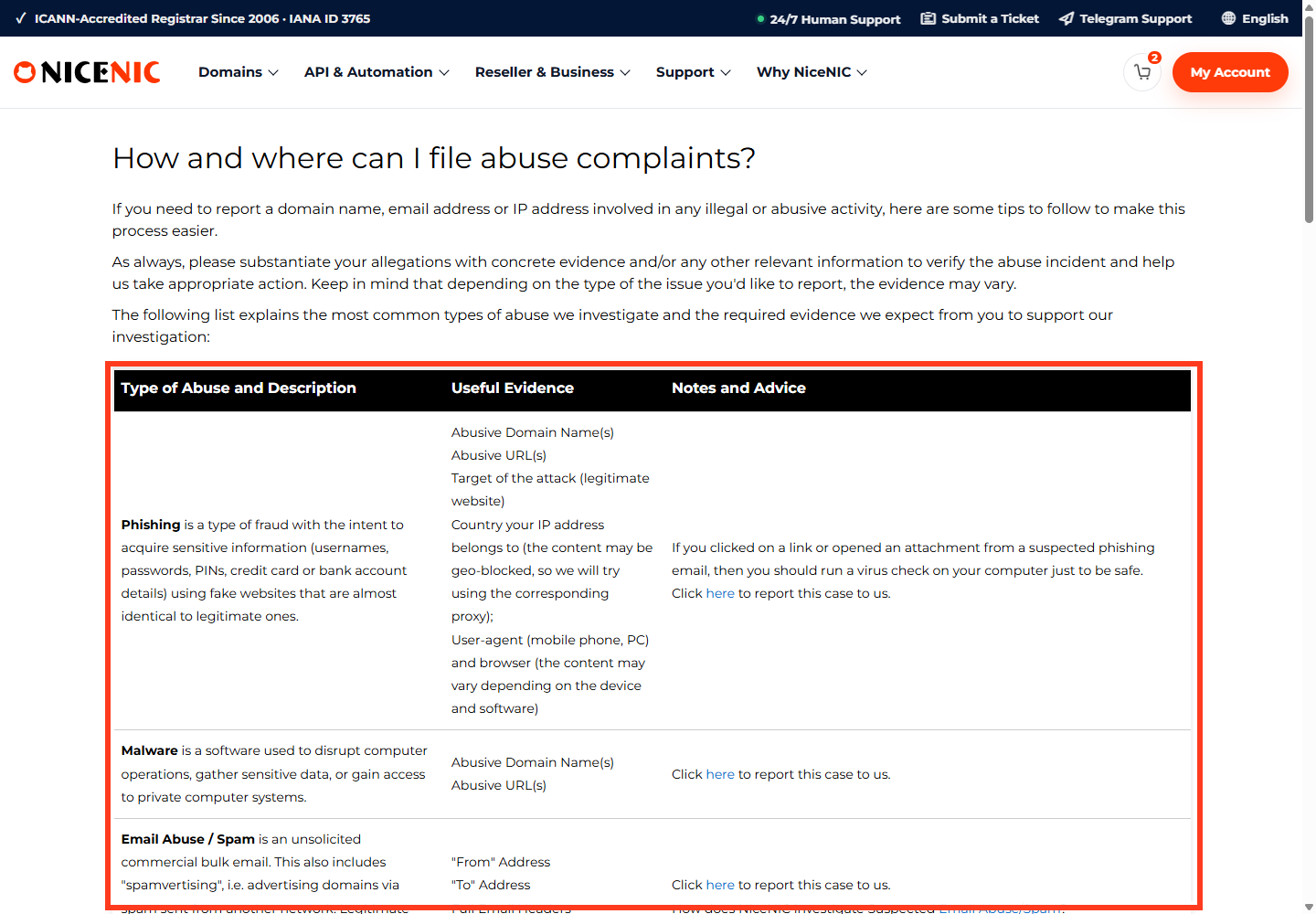
Save the original report and record: the reported domain or URL, abuse category, observed timestamp (including timezone), reporter/case reference, evidence (headers, screenshots or logs) and any deadline. Verify that the notice actually came through a legitimate registrar, hosting provider or registry channel before following links or sending documents.
Investigate and contain the activity
If a third-party host controls the affected service, work with that provider. A DNS change alone may not address compromised content or sending accounts.
Send a useful response
Provide the case ID, concise findings, action taken, completion time, and evidence of remediation. For example: "We confirmed unauthorized content at the reported path, disabled it at 14:25 UTC, removed the compromised plugin and rotated application credentials. We are monitoring logs and can provide a redacted incident timeline on request."
Avoid sharing passwords, API secrets, personal identity documents or unrelated customer data in public replies. If the allegation is incorrect, explain exactly what you checked (for instance hosting logs or the fact that the reported URL was never served) and ask for clarification or re-review.
If your domain is suspended
Ask NiceNIC Support which status was applied, who imposed it, what remediation or evidence is required, and whether the registry must approve reinstatement. A response is not a guarantee that a suspension will be lifted. Keep the ticket updated until the decision is confirmed.
Evidence and actions by complaint type
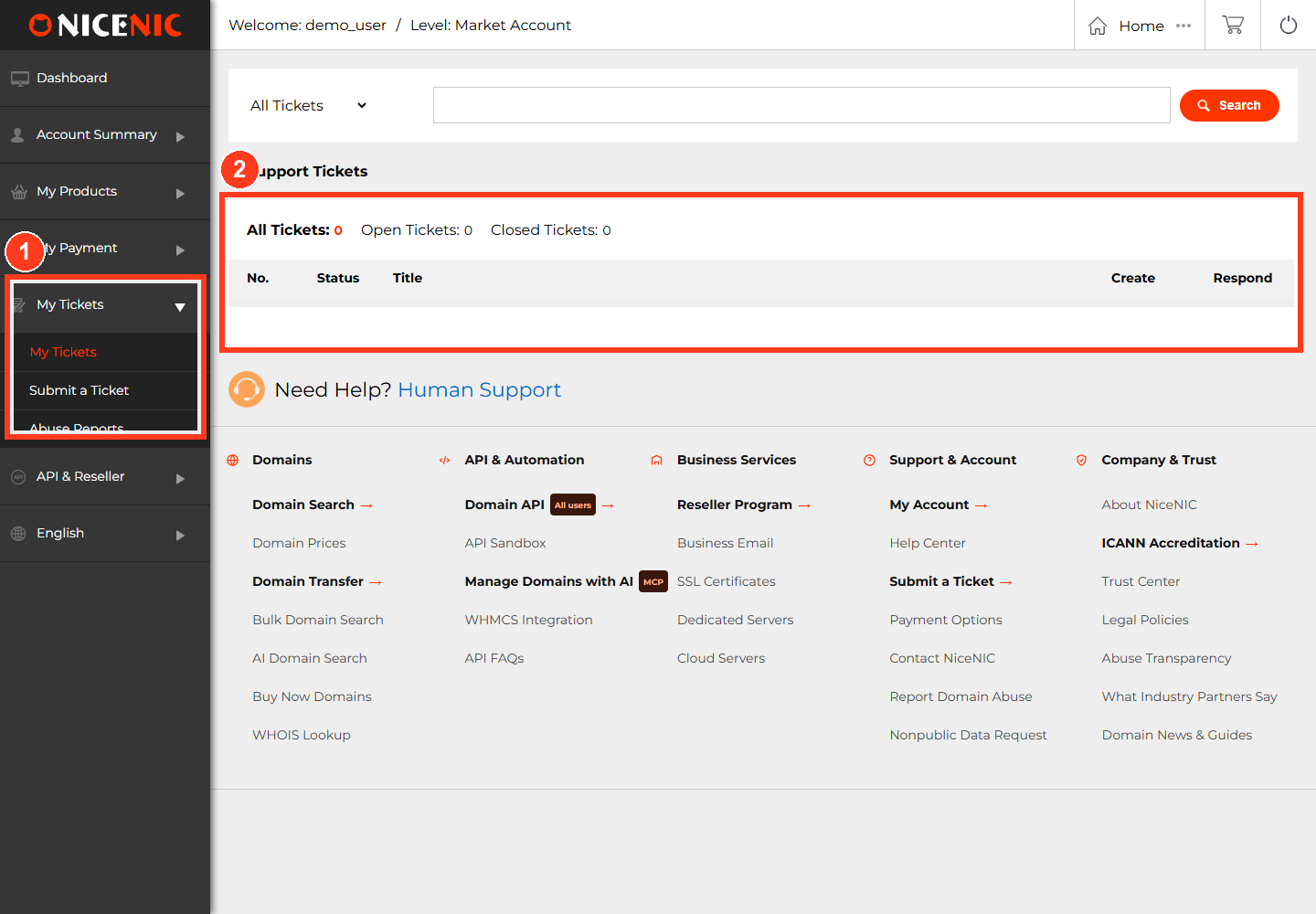
Avoid a bare reply such as "fixed." A useful response identifies the affected domain, report reference, what was found, what was removed or secured, when the action happened (with time zone), and what monitoring will follow. Only claim remediation you have actually completed.
Example response structure
Regarding report [reference] for
example.com, we investigated the reported URL(s) on [date/time UTC]. We disabled [specific content], reset [affected account credentials] and reviewed server/DNS logs for further activity. We are monitoring the affected service. Please let us know if the original report includes additional URLs or evidence not yet addressed.
Do not share unrelated customers' data or passwords. A domain suspension is not necessarily lifted automatically after a web page is cleaned; the registrar or registry may require evidence, verification and review. If the report concerns a lawful dispute rather than technical abuse, preserve evidence and use the appropriate dispute/appeal channel instead of deleting material reflexively.


