


조회수:868
시간:2026-01-28 18:24:04 저자: windy 
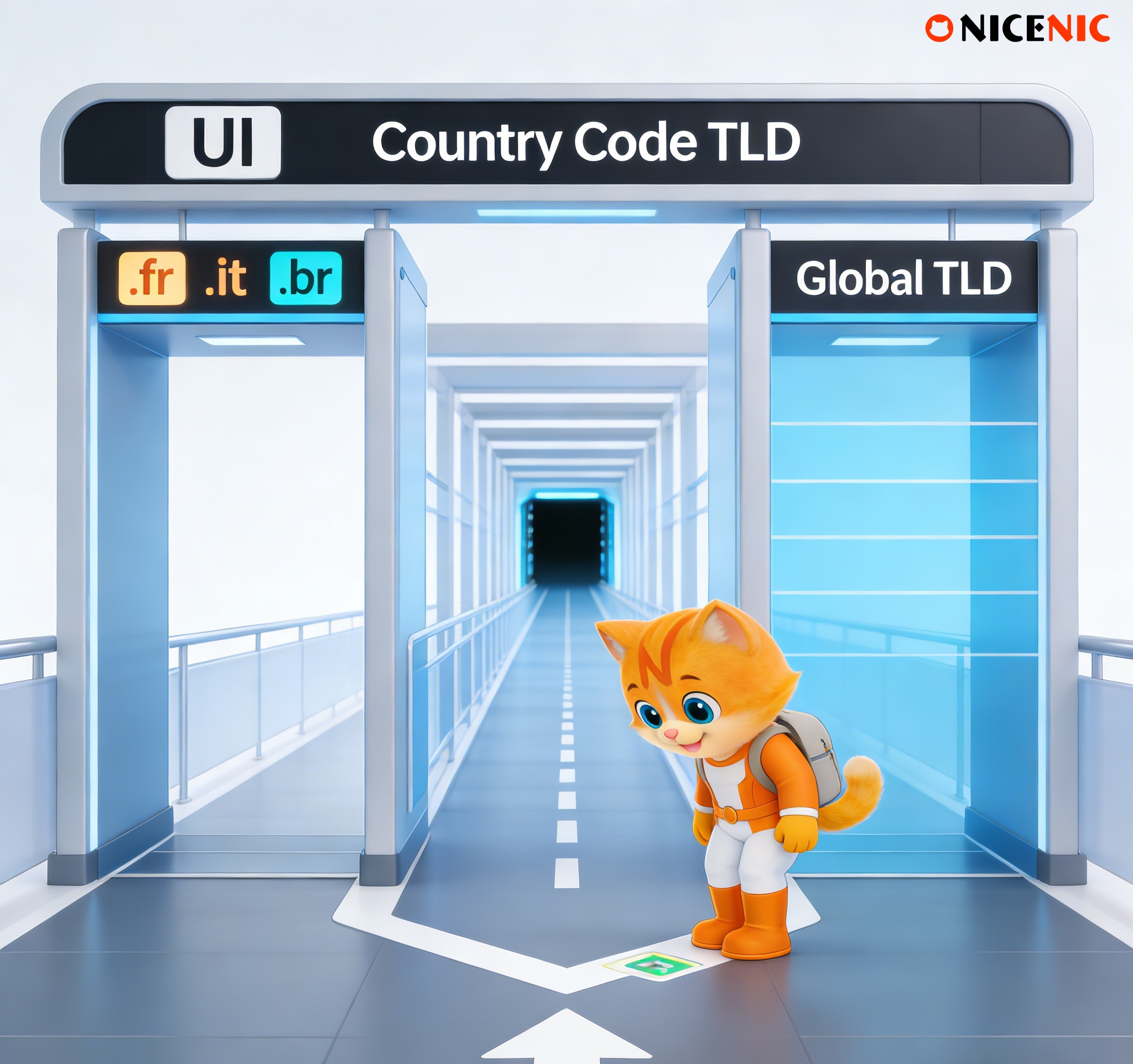
What is ccTLD?
A ccTLD (country code top-level domain) is a domain extension associated with a particular country. An important difference between ccTLDs and other types of domain extensions is that ccTLDs always consist of two characters, while other TLDs are made up of three or more.
Examples include:
.us — United States
.uk — United Kingdom
.de — Germany
.jp — Japan
.fr — France
While ccTLDs are all connected to a particular country, they are usually open to registration for anyone in the world. In recent years, some ccTLDs have even become more popular outside of the countries to which they were originally associated, such as .co (Colombia), .tv (Tuvalu), .ai (Anguilla) and .me (Montenegro).
Who Manages ccTLDs?
Each ccTLD is operated by a local registry designated for that country or territory.
ICANN oversees the global DNS system, and here's what ccTLD registries are responsible for:
- Set registration policies
- Define eligibility requirements
- Control renewal, transfer, and dispute rules
Because of this, every country has its own totally different rules for ccTLDs.
Common Registration Restrictions for ccTLDs
Unlike most gTLDs, some ccTLDs come with registration requirements, such as:
- Local presence or residency
- A registered business entity in the country
- Specific documentation or identification
- Use restrictions based on domain purpose
For example: some ccTLDs require a local address, while others allow global registration with no restrictions.
Policies may change based on registry regulations.
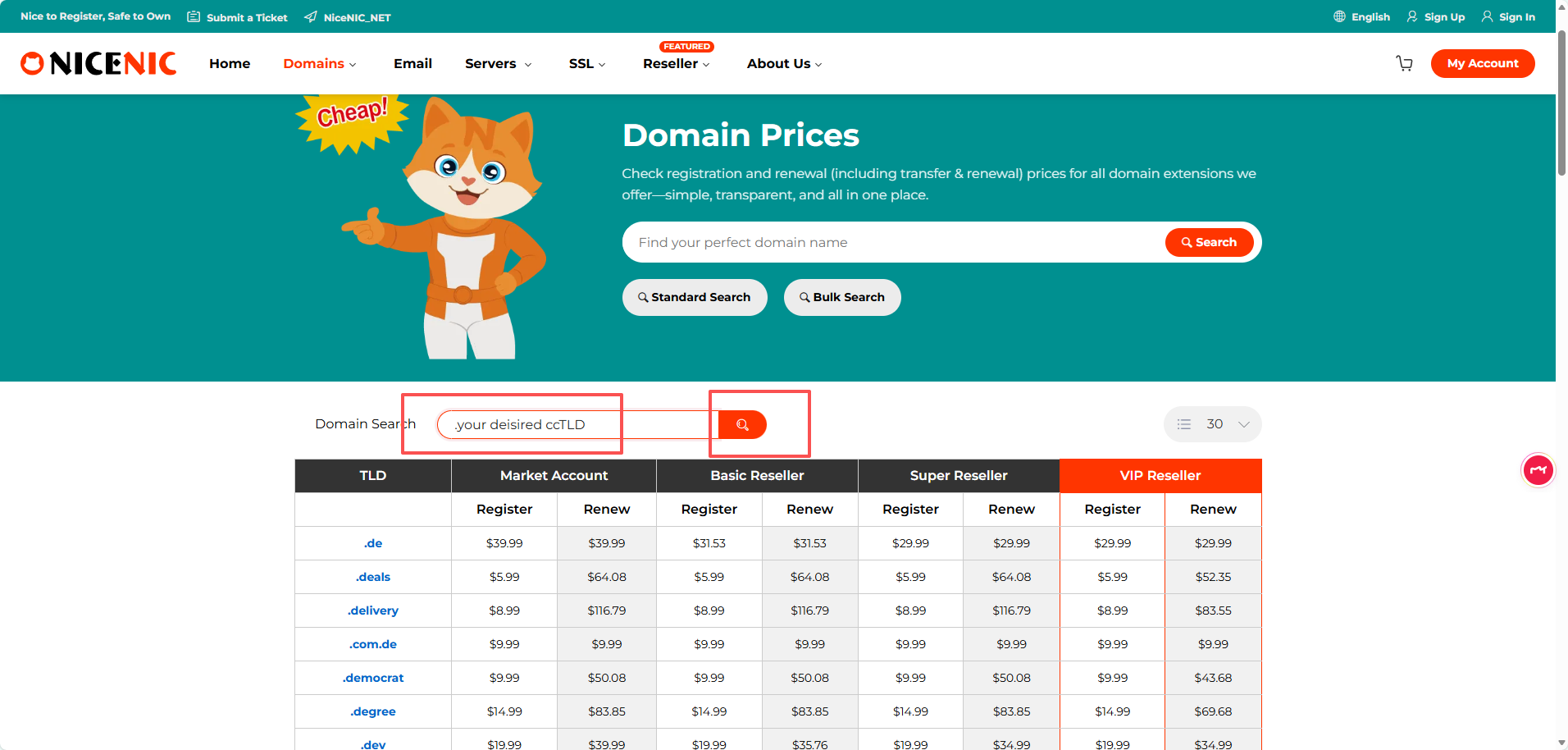
Before registering a ccTLD, be sure to check the registration details page on NiceNIC first to confirm any specific registration requirements.
Benefits of using a country-code top level domain
Instant geo targeting:
ccTLDs signal your website's target country to search engines and users.
Stronger local SEO:
boost visibility in local search resultsand drive country-specific traffic.
Credibility:
visitors are more likely to trust sites that use familiar local domain name.
Better name availability:
more chances to secure brand-matching domain names than crowded .com domains.
Conclusion
For global brands, ccTLDs are often used alongside gTLDs as part of a broader domain portfolio strategy.
Understanding ccTLDs helps registrants make informed decisions, reduce registration risks, and manage domain registrations more effectively within the global DNS.
2006년부터 ICANN 인증 등록기관
오늘 .FR 도메인을 구매하고 등록하세요
.FR 도메인 가용성을 확인하고, 새 .FR 도메인을 등록하며, 여러 이름을 일괄 검색하거나 기존 .FR 도메인을 NiceNIC으로 이전하세요. 기업, 도메인 투자자, 에이전시, 호스팅 제공자 및 리셀러를 위해 설계되었습니다.
갱신: $49.99
마켓
$55.49 $36.99
첫해
갱신: $46.99
기본
$33.99
8% off
갱신: $45.99
슈퍼
$32.99
11% off
갱신: $44.99
VIP
$31.99
14% off
다른 소식:
최신 소식:
A Toast From China to the World: Inside NiceNIC’s 2026 Annual Party
다음 뉴스: NiceNIC 2026 Annual Party Highlights the Women Shaping Customer Trust
다음 뉴스: NiceNIC 2026 Annual Party Highlights the Women Shaping Customer Trust


