


The internet is full of opportunities, but it also has its share of risks. Domain and hosting scams are common, and many domain owners fall victim to them unknowingly. Whether you're buying a domain, transferring it, or setting up hosting, it's crucial to recognize red flags and avoid scammers.
In this article, we’ll help you understand the most common domain and hosting scams, how to spot them, and most importantly, how to protect yourself and your business from falling victim to these frauds. We will also explain how Nicenic, as an ICANN-accredited registrar, ensures your domain and hosting experience remains secure and reliable.
Why Are Domain and Hosting Scams So Common?
Scams in the domain and hosting industry often target unsuspecting users who are new to the process or not familiar with the standard procedures. Fraudsters exploit confusion around domain registration and hosting to trick people into paying for services that don’t exist or that are significantly overpriced.
Here’s what you need to know about the most common types of scams in this space.
1. Fake Domain Registrars (Low-Cost Lures)
How to Spot It
-
The price is too good to be true.
-
The website lacks proper contact information or only offers vague customer service.
-
It doesn’t display ICANN accreditation.
How to Avoid It
-
Always choose an ICANN-accredited registrar, like Nicenic, to ensure you're working with a legitimate provider.
-
Do some research online by reading reviews and looking for complaints.
-
Don’t buy domains from websites that seem unprofessional or don’t have clear contact details.
2. Phishing Websites and Fake Registration Platforms
How to Spot It
-
The website URL looks suspicious and does not match the official domain registrar’s URL.
-
The email looks unprofessional or contains spelling/grammar mistakes.
-
There’s an urgency or threat, like "Your domain will be suspended immediately!"
How to Avoid It
-
Always check the URL of the website.
-
Avoid clicking links in unsolicited emails. Instead, visit the official website by typing the URL directly into your browser.
-
Contact your registrar’s support team directly through the official contact information if you are unsure about the email.
3.Fake Hosting Services (Too Good to Be True Offers)
How to Spot It
-
Unrealistically low prices or “too good to be true” offers.
-
The hosting company lacks solid customer reviews or industry recognition.
-
Their support team is non-responsive or difficult to reach.
How to Avoid It
-
Research reviews and check for customer feedback on trusted sites.
-
Only trust well-established hosting providers with good reputations.
-
Check for uptime guarantees, real customer support, and any other details that show they are committed to providing quality service.
How to Spot It
-
They ask for personal credentials, passwords, or remote access.
-
You receive a call or email from "tech support" without you initiating the contact.
-
The website or communication lacks professionalism.
How to Avoid It
-
Never give your login credentials or share sensitive information through email or over the phone unless you're sure it’s from the official support team.
-
If you receive a suspicious phone call, contact your registrar’s customer support directly using their official contact details.
1. Choose an ICANN-Accredited Registrar
The safest way to avoid scams is to always use a reputable registrar that is ICANN-accredited. Nicenic is an ICANN-accredited registrar, ensuring that all our operations adhere to strict global standards of transparency, security, and reliability.
2. Always Use Secure Payment Methods
-
Avoid using insecure payment methods like wire transfers or paying to personal accounts.
-
Use credit cards or PayPal for payment, as these offer buyer protection and can help in case of fraud.
3. Regularly Check Your Domain and Hosting Accounts
-
Ensure your domain details are correct and up to date.
-
Enable two-factor authentication (2FA) on your registrar and hosting accounts to prevent unauthorized access.
4. Be Cautious of Domain Renewal Notices
-
Always verify renewal notices that claim your domain is about to expire.
-
Confirm the legitimacy of the notice by contacting your registrar directly via their official channels.
-
Transparent pricing with no hidden fees, so you can be confident in the cost of your domain and hosting services.
-
Reliable customer support to help resolve any issues and guide you in avoiding potential scams.
-
Account security features, such as domain locking and two-factor authentication, to keep your domain safe from unauthorized transfers.
Q1: How can I verify if a domain registrar is legitimate?
-
Always check if the registrar is ICANN-accredited.
-
Look for reviews and customer feedback on independent sites.
-
Verify contact information on their website.
Q2: How do I protect my domain from being hijacked?
-
Use domain locking to prevent unauthorized transfers.
-
Enable two-factor authentication (2FA) on your registrar account.
Q3: Is it safe to pay for a domain or hosting service via wire transfer?
-
It’s best to use credit cards or PayPal, which offer better security and buyer protection.
Q4: How can I avoid phishing emails related to my domain?
-
Never click on links in unsolicited emails.
-
Always visit your registrar’s website by typing the URL directly into the browser.
Domain and hosting scams can be a major threat to your online presence. However, with the right precautions and by choosing a trustworthy ICANN-accredited registrar like Nicenic, you can avoid these pitfalls and protect your domain from fraud.
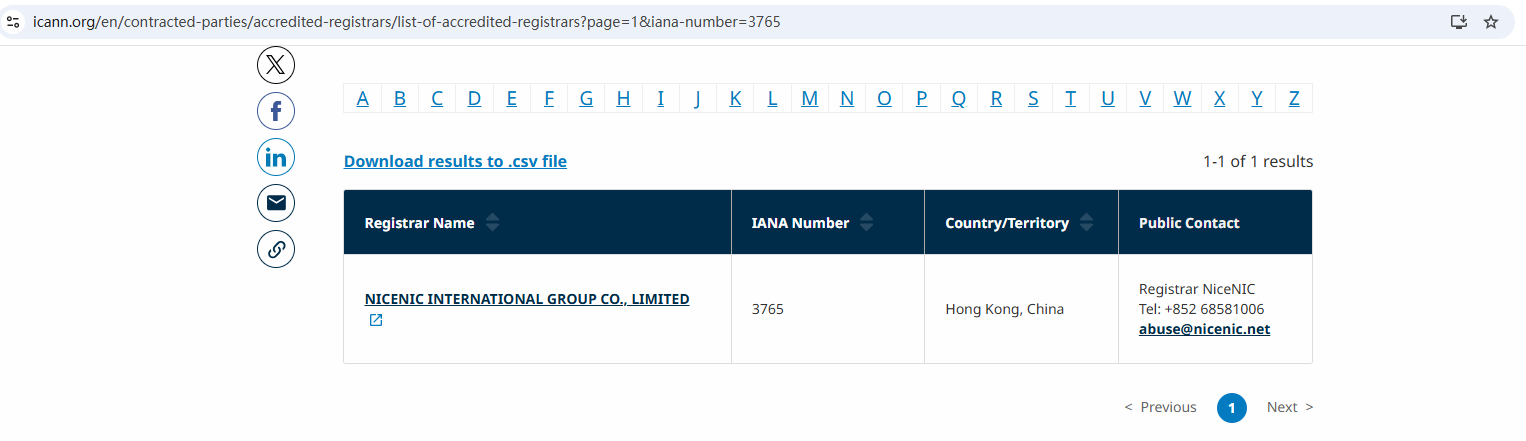
Nicenic stands as that trusted partner for brands, developers, entrepreneurs, and businesses worldwide.
Buy and Register Your .COM Domain Today
Check .COM domain availability, register a new .COM domain, search multiple names in bulk, or transfer your existing .COM domains to NiceNIC. Built for businesses, domain investors, agencies, hosting providers, and resellers.
Next News: Heartfelt Holiday Wishes and Gratitude from NiceNIC


