


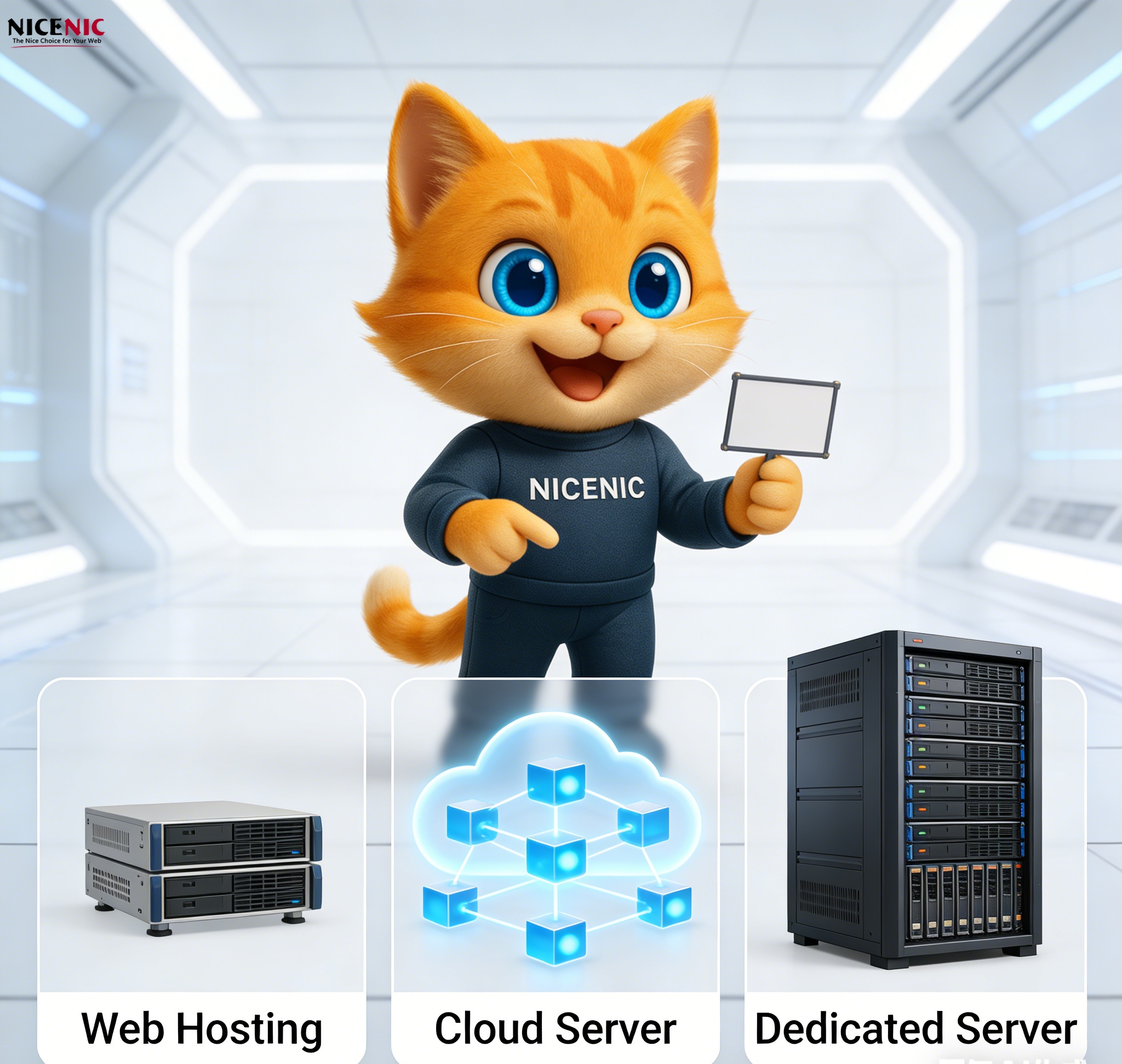
When building a website or launching an online project, one of the most common questions users face is choosing the right hosting solution.
Web hosting, cloud servers, and dedicated servers all sound similar, yet they serve very different purposes. Selecting the wrong option can lead to performance issues, unnecessary costs, or limitations that slow down your growth.
This guide explains the differences between web hosting, cloud servers, and dedicated servers in a clear and practical way, helping you choose the solution that fits your current needs and future plans.
A Quick Overview Before We Dive In
If you want a simple summary:
-
Web hosting is best for beginners and small websites
-
Cloud servers are ideal for growing websites, applications, and online businesses
-
Dedicated servers are designed for high performance and enterprise level workloads
Understanding where you are now makes the choice much easier.
Web hosting usually refers to shared hosting, where multiple websites run on the same physical server.
It is designed to be simple and affordable. The hosting provider manages the server environment, updates, and basic maintenance, so users can focus on their website content.
Web hosting is suitable if:
-
You are building your first website
-
You have low to moderate traffic
-
You want the lowest cost option
-
You do not want to manage server settings
However, web hosting also has limitations. Because resources are shared, performance can fluctuate, scalability is limited, and control over the server environment is minimal. For many users, web hosting is a starting point rather than a long term solution.It is often a practical entry point for beginners.
As projects grow and requirements increase, many users naturally move toward cloud servers or dedicated servers for greater performance and control.
What Is a Cloud Server?
A cloud server is a virtual server created from a pool of computing resources across multiple physical machines.
Unlike traditional hosting, cloud servers are designed for flexibility and scalability. Resources such as CPU, memory, and storage can be adjusted as your needs grow.
Cloud servers are well suited for:
-
Growing business websites
-
eCommerce platforms
-
SaaS applications
-
APIs and backend systems
-
Projects that require scalability and stability
Because cloud servers operate within a distributed infrastructure, they offer higher availability and better reliability than single machine hosting.
Cloud servers also provide more control over the operating system, software stack, and security configuration, making them a strong choice for users who need flexibility without owning physical hardware.
A dedicated server is a physical server exclusively assigned to one user or organization.
All hardware resources belong to you alone, providing maximum performance, stability, and control. This makes dedicated servers suitable for demanding workloads and mission critical systems.
Dedicated servers are commonly used for:
-
High traffic websites and platforms
-
Large databases
-
Enterprise applications
-
Projects with strict compliance or security requirements
-
Workloads that require consistent, high performance
While dedicated servers offer the highest level of control, they also require more technical expertise and typically involve higher costs compared to cloud based solutions.
| Feature | Web Hosting | Cloud Server | Dedicated Server |
|---|---|---|---|
| Cost | Low | Medium | High |
| Setup Difficulty | Very easy | Moderate | Advanced |
| Performance | Low to medium | Medium to high | Very high |
| Scalability | Limited | Flexible | Limited |
| Control | Minimal | High | Full |
| Best For | Small websites | Growing projects | Enterprise systems |
This comparison highlights why there is no single best option for everyone. Each solution fits a different stage of growth.
Which Option Is Right for You?
Choose web hosting if you are just getting started, have a small website, and want a simple, low cost solution without managing servers.
Choose a cloud server if your website or application is growing, traffic levels fluctuate, or you need more control and scalability without investing in physical hardware.
Choose a dedicated server if performance is critical, workloads are heavy, or your project requires full control over hardware and environment.
Making the right choice early helps avoid costly migrations later.
No matter which hosting option you choose, your domain name and DNS configuration play a critical role.
Your domain is the address users type into their browser. DNS connects that domain to the IP address of your server, whether it is web hosting, a cloud server, or a dedicated server.
A stable server environment combined with proper DNS configuration ensures that your website or application remains accessible, secure, and reliable.
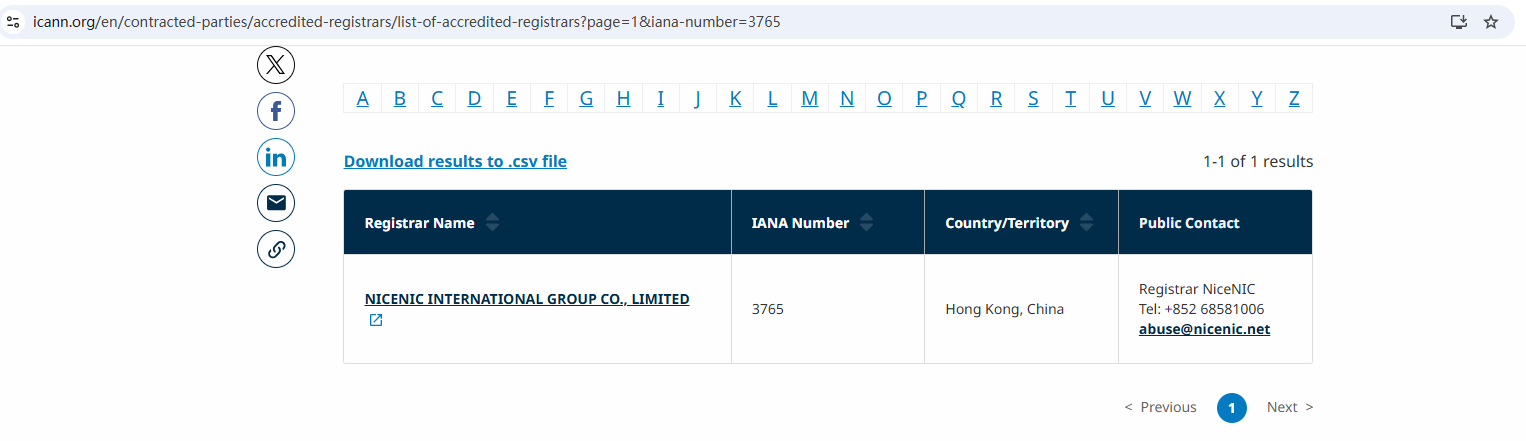
As an ICANN-accredited registrar, Nicenic follows globally recognized policies and standards for domain management and internet infrastructure.
Web hosting, cloud servers, and dedicated servers each serve different purposes. The best choice depends on your current needs, technical requirements, and long term growth plans.
Understanding these differences allows you to select infrastructure that supports your project today while leaving room for tomorrow.
Nicenic stands as that trusted partner for brands, developers, entrepreneurs, and businesses worldwide.
Αγοράστε και καταχωρίστε το domain .IT σας σήμερα
Ελέγξτε τη διαθεσιμότητα domain .IT, καταχωρίστε νέο domain .IT, αναζητήστε πολλαπλά ονόματα μαζικά ή μεταφέρετε τα υπάρχοντα domains .IT σας στο NiceNIC. Δημιουργήθηκε για επιχειρήσεις, επενδυτές domain, πρακτορεία, παρόχους φιλοξενίας και μεταπωλητές.
Επόμενα Νέα: Domain Transfer | Quickly and easily transfer your domain to Nicenic


