


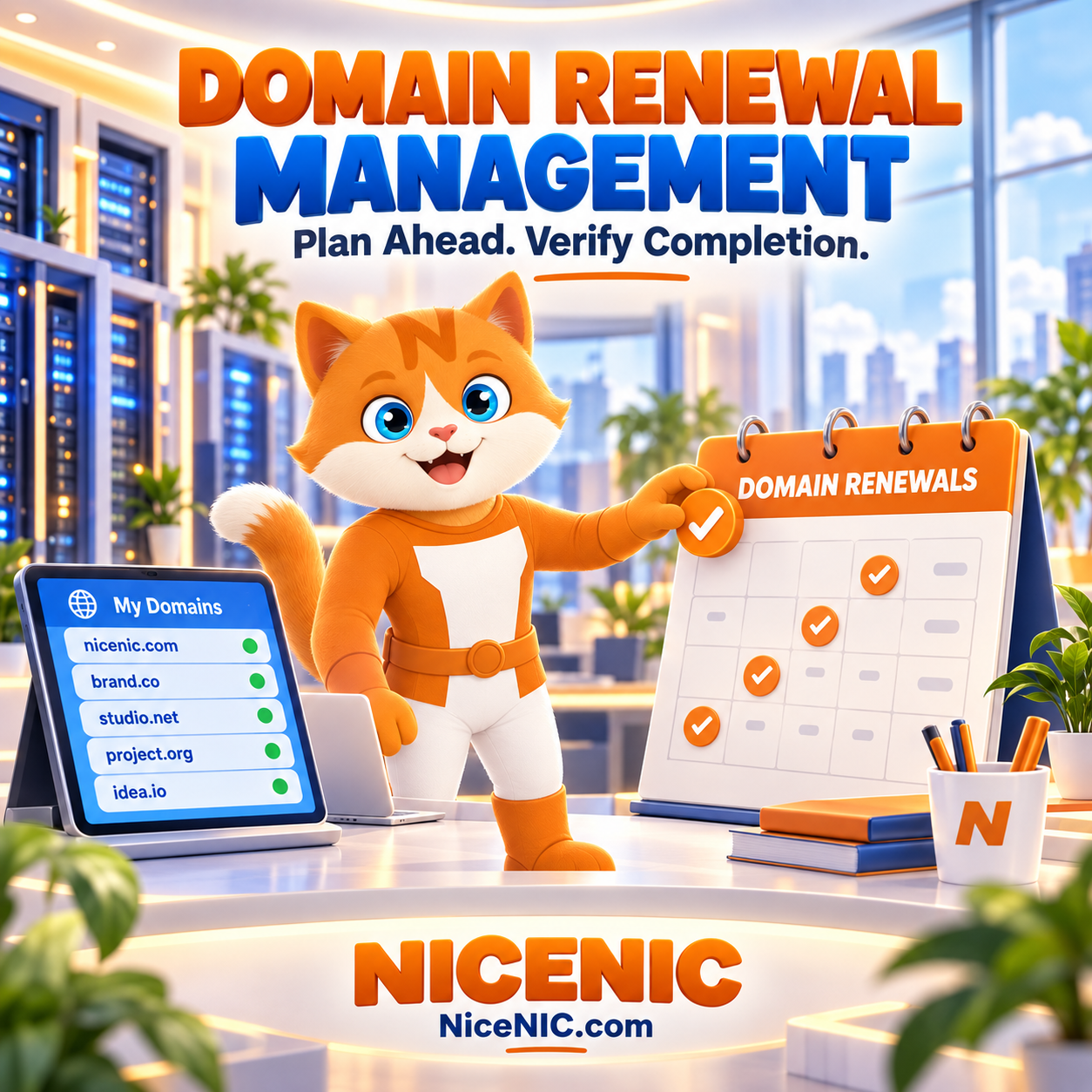
The value of this service comes from assigning responsibility, checking funding, completing renewals, and confirming the result. IT providers building this capability can explore NiceNIC's domain reseller services and define a renewal process that fits their clients and support commitments.
Why Domain Renewals Belong in IT Service Planning
Clients may buy a domain long before they hire an IT provider. Over time, the account can become separated from the people maintaining the website, email, and applications.
An employee leaves. A billing contact changes. A domain remains in a former supplier’s account. Renewal notices reach someone who assumes another team will handle them.
These gaps matter because the domain can serve several functions at once:
- The address customers use to reach the main website.
- The domain used for staff email.
- A hostname for a customer portal or application.
- A redirect from an earlier brand or campaign.
- A dependency for integrations or automated notifications.
During onboarding, ask which business processes rely on each domain. That context helps determine who should approve renewals and how quickly an unresolved renewal issue should be escalated.
What Clients Are Paying You to Manage
A domain renewal service should have clear deliverables. Simply forwarding reminder emails leaves much of the work with the client.
A useful service can include maintaining a domain inventory, reviewing upcoming deadlines, confirming current renewal costs, checking payment readiness, performing authorized renewals, and recording completion.
It should also identify exceptions. A domain with an inaccessible account or an unresolved billing issue needs a named person responsible for the next action.
Keep domain registration charges separate from your management fee. Clients should understand whether they are paying for the domain itself, ongoing oversight, or additional recovery work.
Define Authority Before the First Renewal
Agree on who can authorize spending and what happens when the usual contact is unavailable.
The service agreement should answer:
- Which domains are covered?
- Who is the registered holder?
- Who controls the registrar account?
- May the provider renew automatically within an agreed budget?
- Who approves a higher renewal price?
- Who supplies the funds?
- What happens when the client does not respond?
- How will management be handed over if the contract ends?
A client’s decision to discontinue a domain should be recorded explicitly. Silence is a poor basis for deciding whether a business asset can expire.
Clients should also retain a documented path to account recovery and domain control. Managing renewals does not require making the provider the registered holder.
Build the Process Around the Earliest Relevant Deadline
The displayed expiration date is only one date to track. A registrar may attempt automatic renewal earlier, and some extensions have specific renewal procedures or deadlines.
For each domain, record the expiration date, the registrar’s renewal conditions, the planned renewal date, and the client’s approval deadline.
For example, a provider might review funding 60 days before expiration, seek approval 45 days before expiration, and aim to complete renewal 30 days before expiration. These are suggested internal milestones, not universal registry rules.
Adjust them when an extension requires earlier action or the client’s purchasing process takes longer.
Treat Auto-Renewal as a Setting That Needs Oversight
Automatic renewal can reduce manual work, but it still depends on the correct account configuration and an accepted payment method or sufficient account balance.
Check the funding arrangement before the renewal attempt. Where prepaid funds are used, compare the available balance with upcoming commitments across the portfolio.
Then verify the outcome.
A renewal record should connect:
- The domain and approved registration period.
- The amount charged.
- The completed renewal transaction.
- The resulting expiration date.
A client invoice marked paid does not establish that the registrar renewal completed. Equally, a public registry date should not be the only evidence used to close the task. Confirm completion in the registrar account and reconcile the records.
If a result is unclear, investigate before submitting the same paid operation again.
Understand the Limits of Post-Expiration Recovery
For applicable gTLD registrations, ICANN requires advance expiration notices approximately one month and one week before expiration. Those notices are a useful safeguard, but an IT provider should maintain its own monitoring process.
Do not promise a universal period during which an expired domain will keep working or remain recoverable. Post-expiration handling depends on the extension, registrar, and registration status. Country-code extensions may follow different rules.
Record the relevant renewal and restoration procedures before they are needed. If expiration occurs, contact the current registrar promptly and establish the available recovery route.
Use Automation to Surface Exceptions
Automation is most valuable when it helps the team identify work that remains unfinished.
The NiceNIC Domain API documents domain information, expiration dates, pricing queries, account balance checks, and renewal operations. These capabilities can support an internal renewal dashboard or a connection to an existing billing workflow.
An implementation should distinguish between an operation being submitted and its completion. Read the response for the specific endpoint, verify the resulting domain state, and retain enough information to investigate failures.
Useful alerts include insufficient funds, approaching deadlines, missing approvals, and renewals that have not been confirmed. Each alert should create an actionable task with an owner.
Price the Service Against the Work It Requires
Domain renewal management can support recurring service revenue, but its profitability depends on the delivery model.
Estimate the time needed for onboarding, monthly reviews, client communication, exception handling, and annual reporting. Include software costs and the effort required to maintain integrations.
A client with several domains in one accessible account may require less work than a client with the same number spread across former suppliers and multiple registrars.
Consider charging separately for initial account cleanup, routine management, and exceptional recovery work. Define the scope before quoting.
Make the Result Visible to Clients
A short periodic report can show:
- Renewals completed and their new expiration dates.
- Domains approaching the next approval window.
- Funding or access issues requiring action.
- Domains approved for retirement.
- Changes to contacts or responsibilities.
Measure completion before your internal deadline, unresolved exceptions, and the time spent per managed domain. These measures help improve the service without claiming that renewal management guarantees uninterrupted operations.
Start with a manageable client group, document the workflow, and review the actual workload before expanding. Explore NiceNIC's reseller options to assess how domain pricing and management tools fit that service.


